
Carroll Painting · Colorado Springs, CO
Woodpecker Damage Repair in Colorado Springs
Found holes in your siding, trim or eaves? We’ll look at the damage and the wood around it, then explain what can be repaired, what may need replacing, and how the finish will be matched.
Request a Free EstimateFamily-owned in Colorado Springs since 1988
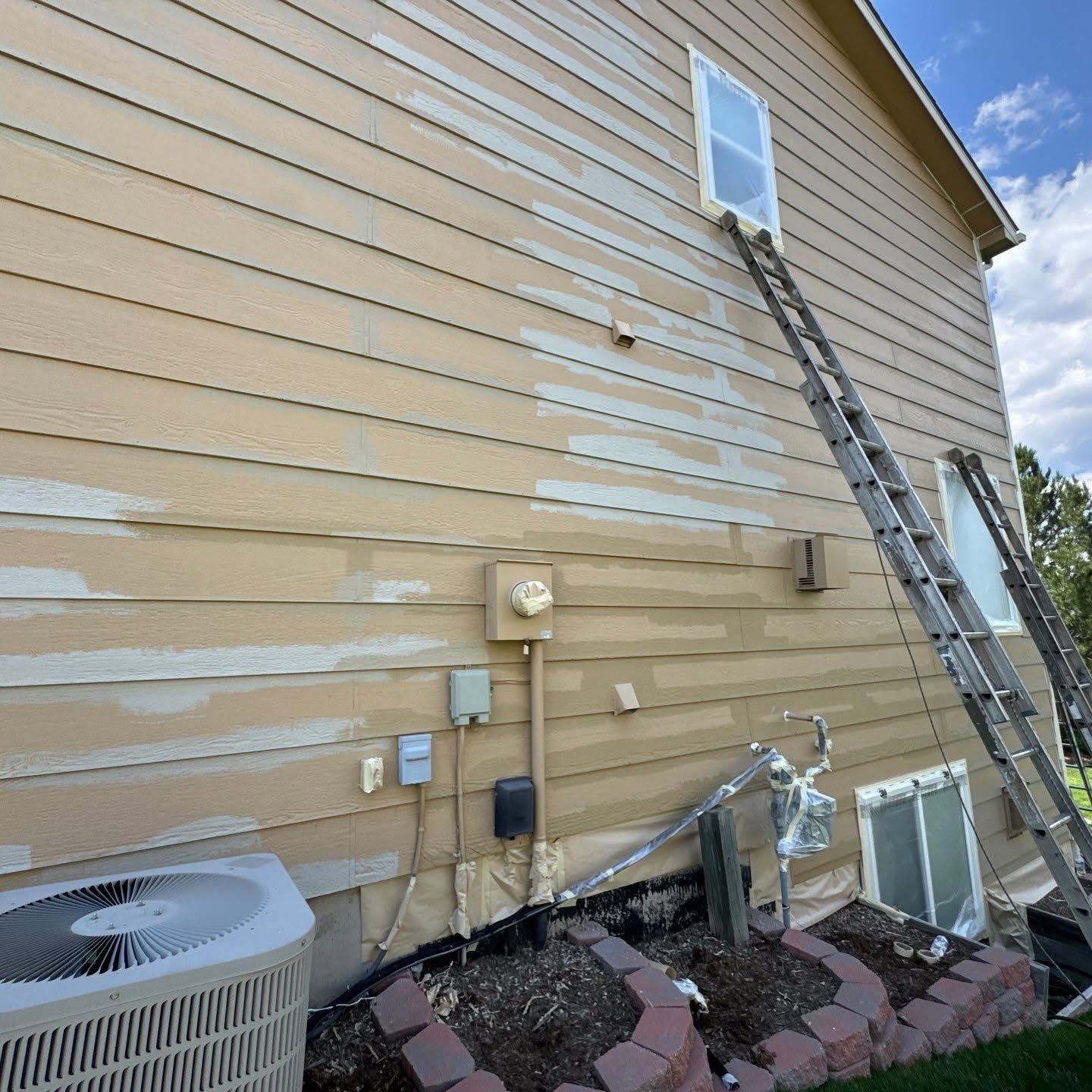
Can woodpecker holes in siding be repaired?
Yes. A small, vacant hole can often be repaired when the surrounding wood is sound. A deep cavity, a split board, soft wood or signs of water behind the siding can call for a closer look or selective board replacement.
Repair sound wood
A localized repair can preserve the original board, especially where the siding profile or texture is hard to match.
Replace a failing board
When wood has softened, split or loosened, replacing the damaged piece may give the new finish a sound surface.
Wait if birds are nesting
If you suspect birds are using the opening, leave it undisturbed and ask a wildlife professional for guidance before covering or repairing it. See the U.S. Fish & Wildlife Service guide.
The exterior walkthrough
Know what the estimate covers
Freeze-thaw cycles and strong sun put Colorado Springs siding and coatings to work. We look at where the opening sits, how the surrounding wood feels and how the existing finish is holding up.
- Inspect the surrounding material. Check affected siding, trim, fascia and soffits for loose edges, soft wood, moisture stains and coating failure.
- Define the repair in writing. Identify affected locations, what can stay and whether the scope calls for a patch or selective siding replacement.
- Agree on the finish. Review preparation, primer and paint or stain for the affected wood. Older coatings can weather unevenly. Compare a spot finish with refinishing the full board or a natural break in the wall.
The Carroll family
The repair behind the finish
In the Georgia shipyards, our family’s trade brought painting, welding and repair together. A protective coating depended on the condition of the surface underneath. That lesson has been handed down through generations, and it still shapes how we walk a Colorado Springs home.
On a wall with woodpecker damage, it means checking the board and its edges before choosing a repair. Then we can explain what we’d keep, what we’d replace and how we’d finish it.
Read the Carroll family storyQuestions about woodpecker damage
What is making holes in my siding?
Northern flickers account for much of Colorado’s woodpecker damage. A bird may peck while looking for insects, drum to communicate or make a cavity. From ground level, note where the holes are, whether they are growing and whether birds repeatedly enter one. Colorado State University Extension explains common patterns.
Will the repaired area match the existing siding?
That depends on the board’s profile and texture and how much the existing paint or stain has weathered. At the walkthrough, ask to compare a localized finish with repainting or restaining to a natural break. Explore our wood siding painting process.
How can I reduce the chance of more damage?
Once the cause is understood, a wildlife professional can help you choose lawful deterrents or exclusion for that spot. If you see soft wood, moisture staining or insect activity, point it out during the assessment so those conditions can be addressed by the right trade.
What should I share when I ask for an estimate?
A photo of the whole wall and a closer photo taken safely from the ground are useful. Tell us if the openings are new, if birds are still visiting and whether you know the existing paint or stain. We’ll review the affected surfaces with you during the free estimate.
Let’s take a look at the damage
Show us where the holes appeared. We’ll help you understand the condition of the wood and what a repair scope would involve.
Request a Free Estimate Explore exterior painting