OUR STORY
Irish roots.
A craft passed
hand to hand.
Over a century of family craftsmanship, from the shipyards of Georgia to homes in Colorado Springs since 1988.
Across five generations of Peters, our family has carried forward a practical understanding of how to prepare, repair and protect a surface. Today, Peter III, Peter IV and Peter V continue that story through hands-on work, learning, teaching and care for the details.
Explore Our Work Request Your Free Estimate
Family-owned. Colorado Springs since 1988.
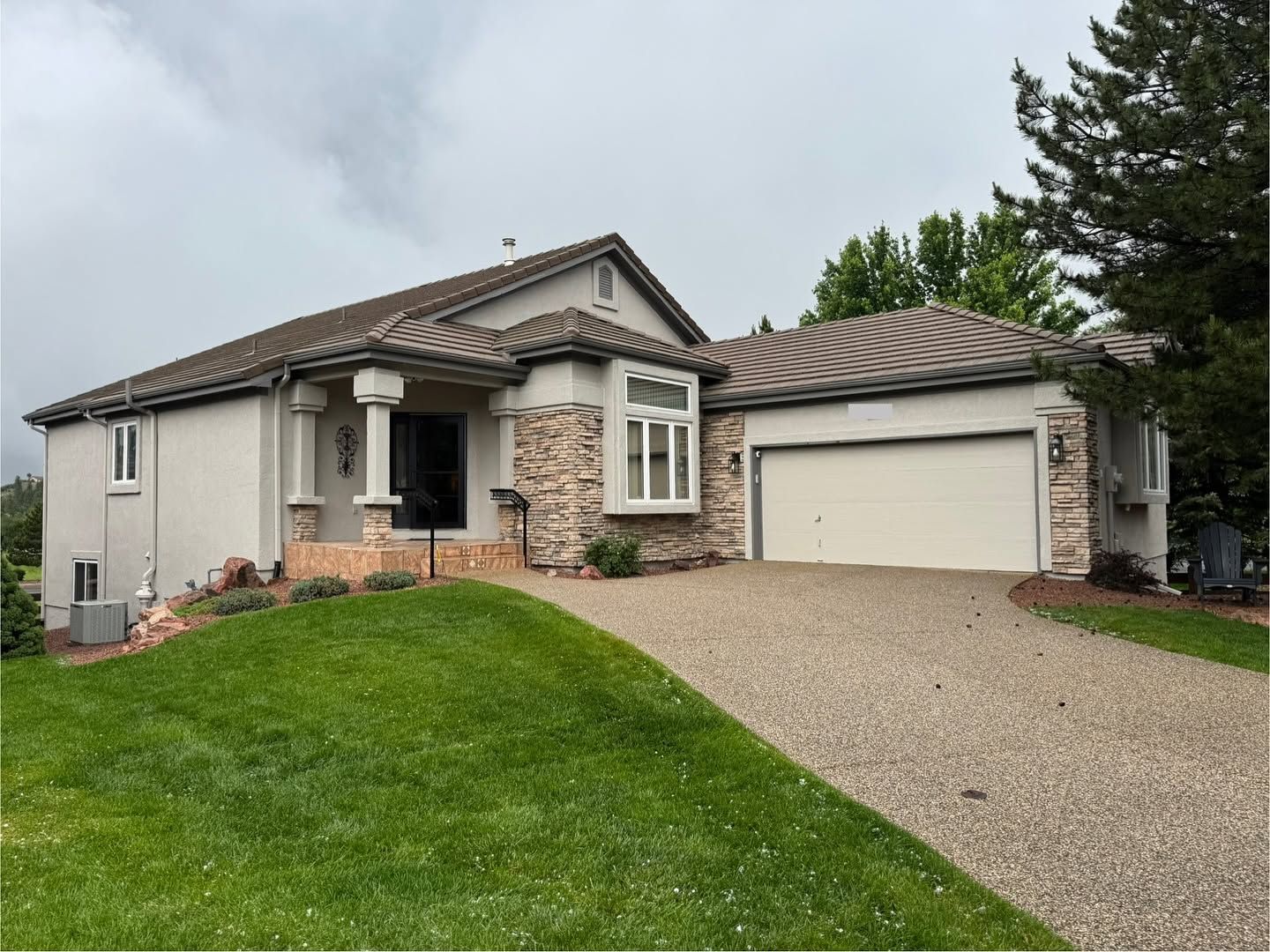
Present-day work. A completed Carroll Painting stucco project.
Legacy of Craftsmanship
CARE PASSED FROM ONE GENERATION TO THE NEXT
IRELAND TO SAVANNAH
A family name carried across the Atlantic.
In the late 1800s, Peter Carroll I came from Ireland through Savannah, Georgia. That journey became the beginning of our family's American story, and the foundation of a craft that would pass from one generation to the next.
Our Celtic heritage remains part of our identity. For our family, good old-fashioned Irish craftsmanship lives in the way a skill is taught: work alongside someone, show them what to look for, explain why a detail matters, and help them develop the judgment to do it well.
Over time, the Carroll name came to carry that expectation. Knowing the work meant taking responsibility for it, including the preparation someone might never see once the finish was complete.
That sense of responsibility has traveled with us ever since.
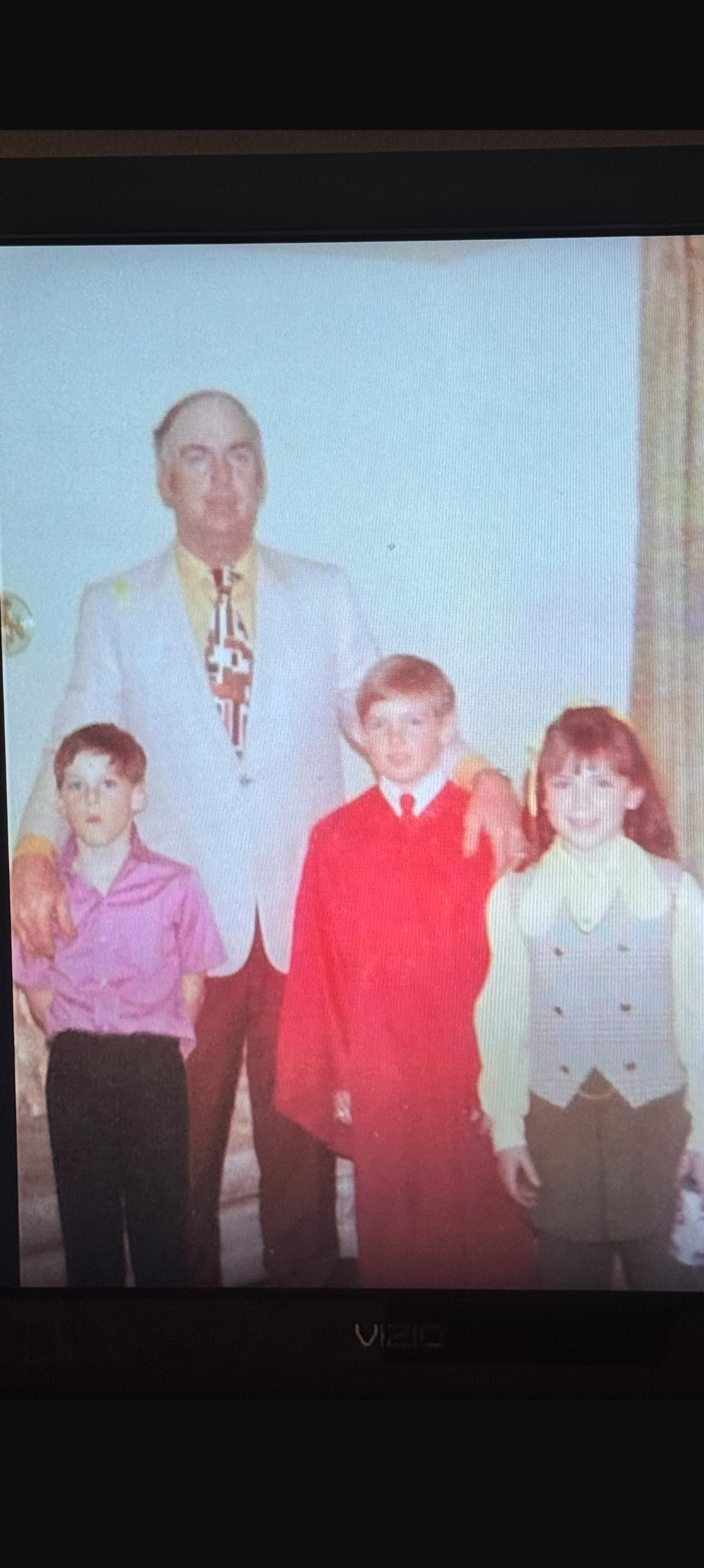
From the Carroll family archive.
THE SHIPYARD YEARS
The work had to stand up to the conditions.
By the early 1900s, our family was working in the Georgia shipyards, painting, welding and repairing ships. These were surfaces expected to face severe conditions. Preparing and protecting them was work with a purpose far beyond their appearance.
A coating belonged to a larger job: understand the condition of the surface, make the necessary repairs, prepare it for the work ahead, and apply protection suited to its use.
During World War II, that shipyard connection continued. Our family's oral history recalls painting, welding and repair work on warships. The work called for practical skill and attention to what a surface would have to endure.
Those years established a lasting thread in the Carroll story. Whatever the setting, the questions came first: What are we working with? What needs attention? What will help protect it?
Those questions still belong at the beginning of a painting project.
Protection begins with understanding the surface.
FROM SHIPS TO BUILDINGS
The same responsibility, brought home.
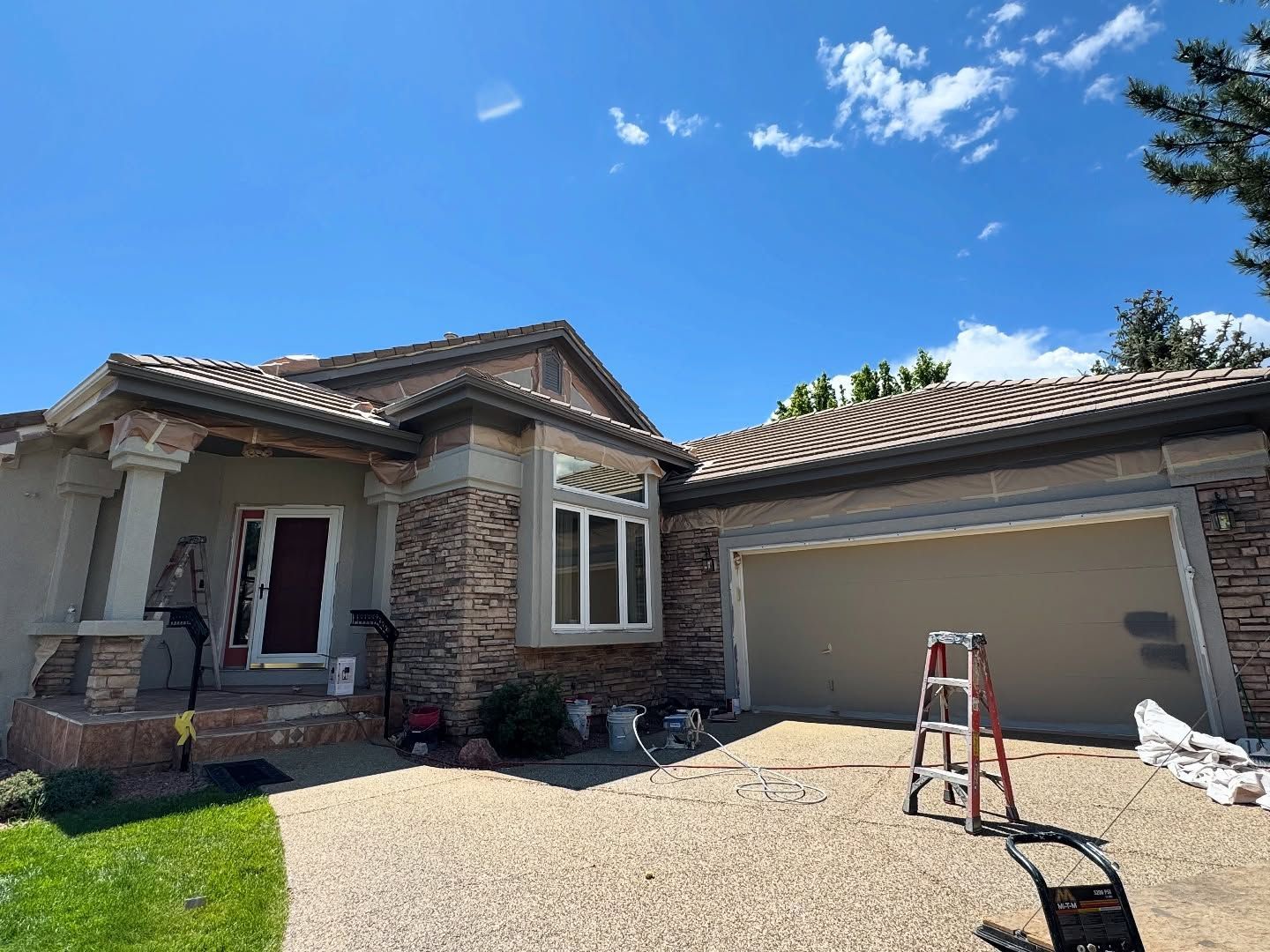
Present-day surface preparation and coating work on a Carroll stucco project.
By the 1940s and 1950s, the family's work had expanded into roof coatings, roof repair, brick sealing, tuckpointing and painting. The setting was changing, and the knowledge of repair and protection found new applications in homes and buildings.
Across Georgia, Florida, New York and New Jersey, different surfaces added to that experience. Work in New York and New Jersey included roof coatings and painting. Time in Florida deepened the family's knowledge of stucco.
Each place contributed something to the craft. A different material required a different approach. A repair had to account for what was already there. The finished appearance depended on decisions made before the final coat.
For a homeowner, the result of that kind of experience is practical: someone who looks closely, recognizes that surfaces have different needs, and can explain the work those needs call for.
That is the connection between our shipyard roots and the homes we care for today.
COLORADO SPRINGS
1988
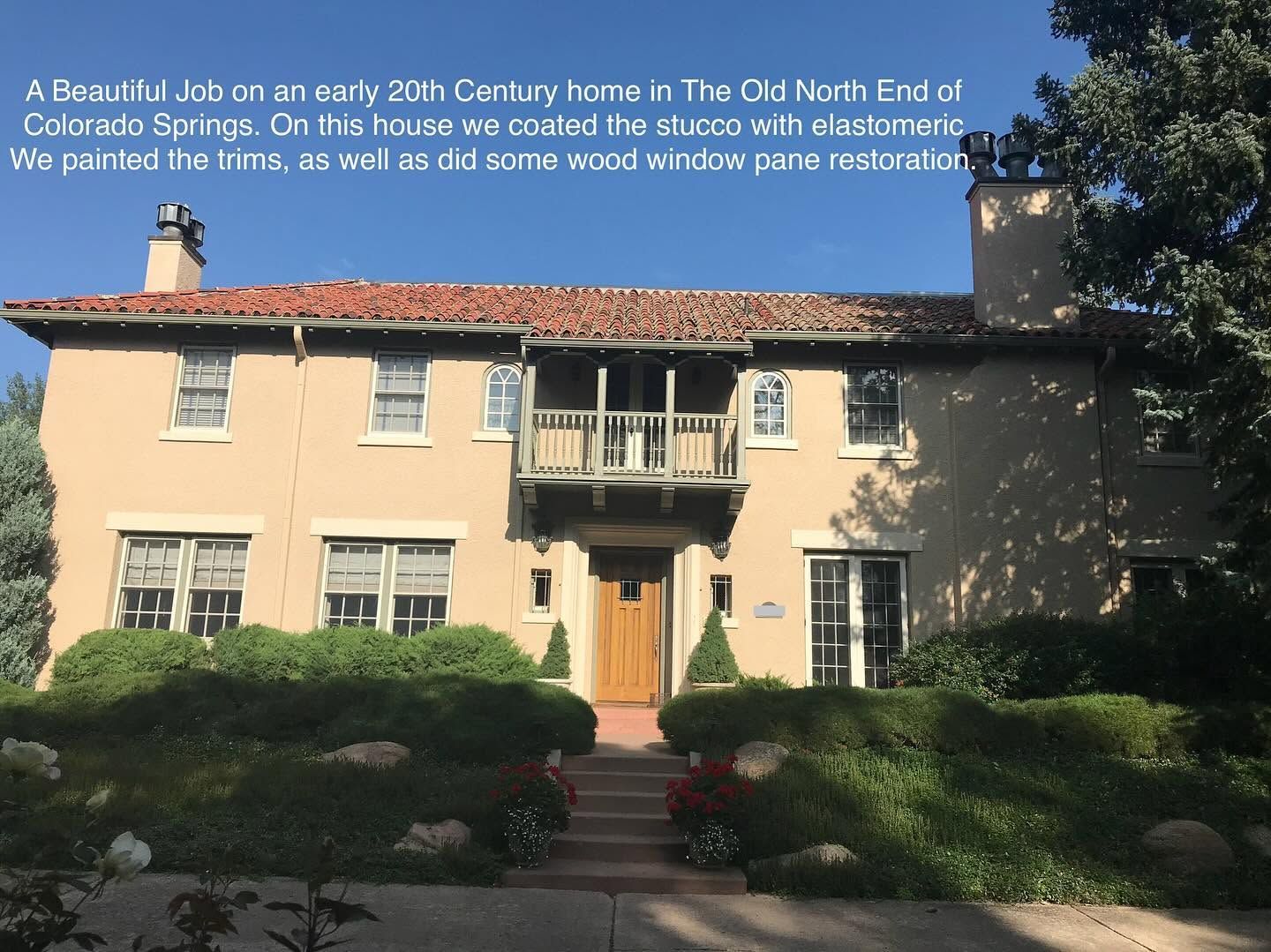
From our local project archive: stucco, trim and wood window restoration in the Old North End.
A LOCAL CHAPTER
A family reputation brought to a new city.
In 1988, our family arrived in Colorado Springs with an established family reputation and knowledge built through generations of hands-on work.
Building a place in a new community took personal effort. The early business grew through knocking on doors, sending flyers and doing the work. The family remembers the fax machines, the conversations and the time spent teaching others how the work should be done.
Training was part of building the business from the beginning. Passing on a method meant explaining it, demonstrating it and staying involved as someone learned to carry it out.
Colorado Springs became home to that next chapter. The family's experience continued to grow through the houses, surfaces and projects encountered here.
We have been part of this community since 1988. The century behind our craft and the years spent here tell different parts of the same story: a family tradition carried into a local business, then strengthened through the work of serving a place we call home.
THE PETERS, TODAY
Peter I began the story. Peter III, IV and V carry it forward.
Peter III
Peter IV
Peter V
WORKING · LEARNING · TEACHING
The name Peter has passed through five generations of our family. Alongside it has come an opportunity to learn the craft from someone who has already spent years practicing it.
Today, Peter III, Peter IV and Peter V remain part of that living tradition, working, learning, training and passing knowledge forward.
The lessons are often specific. How closely should you inspect a surface before deciding what it needs? Where does a repair meet the surrounding finish? What needs another look before the next stage begins? How do you explain a limitation honestly to the person whose home you are working on?
These are things people learn through guided practice, discussion and correction.
Family involvement extends to the people who work alongside us. We stay involved in training, guidance and oversight as work develops. The aim is to pass on the reasoning behind a standard, so the people carrying out the work understand what to look for and why it matters.
Our name connects the generations. Working together keeps the knowledge moving.
HOW THE PROCESS EVOLVES
More than a century of learning, still at work.
Materials, tools and techniques have changed over the life of our family craft. Each generation has had the responsibility to keep learning and to refine the way the work is done.
The underlying discipline remains familiar.
01
Understand what is there.
Look at the surface, its condition, the existing finish and the result the homeowner hopes to achieve. Good decisions begin with a clear understanding of the job.
02
Prepare for the work ahead.
Identify the preparation and repairs the agreed scope calls for. Give those stages the attention they need before moving to the finish.
03
Choose with the whole result in mind.
Consider how the preparation, materials, application and desired appearance will work together. The right approach depends on the actual surface and project.
04
Pay attention as the work develops.
Teach, observe and revisit details while the work is taking shape. Craftsmanship depends on judgment throughout the process.
05
Carry the lesson forward.
Keep learning from the work. Share that knowledge with the next person, and use it to make the next decision more informed.
That is how a family process can remain recognizable while improving over generations.
DESIGN & THE HOMEOWNER
A protected home should also feel like your home.
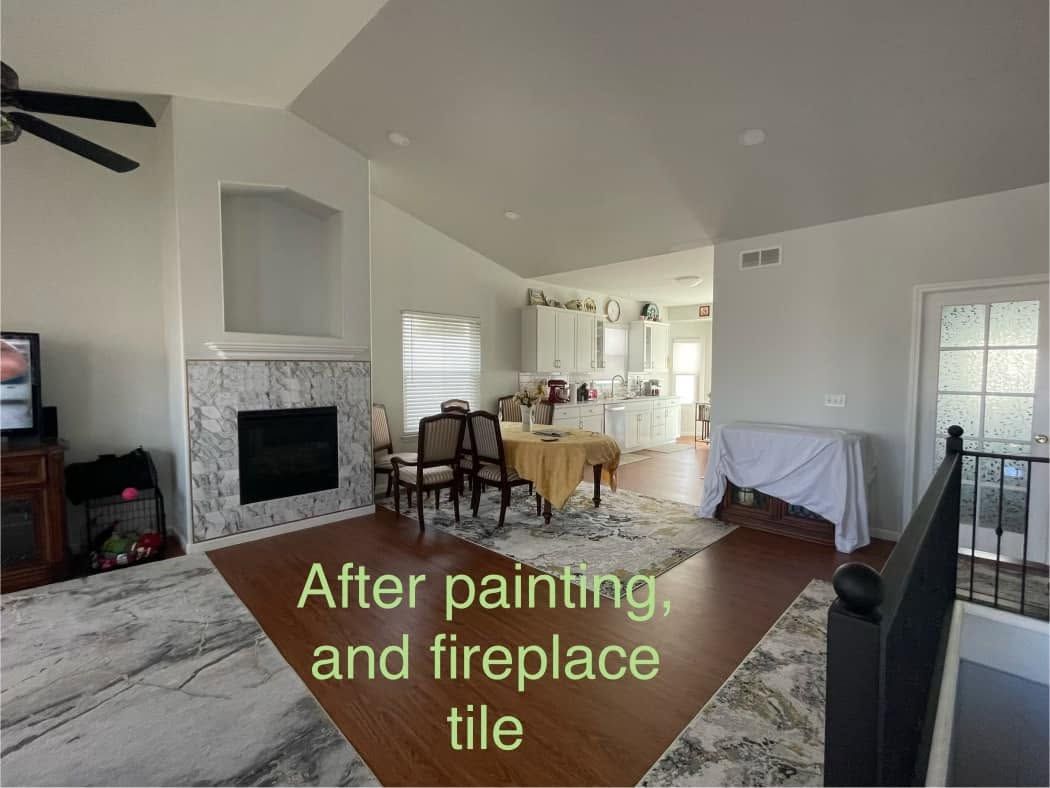
Present-day work: a lighter palette in a Carroll interior painting project.
The finish is where all those earlier decisions become visible.
It is the way a color sits beside your floors and furnishings. The way light catches a wall. The relationship between a repaired area and the texture around it. The details that help a room or exterior feel considered and complete.
Our work brings protection and appearance into the same conversation. We want to understand what you are hoping to change, what you value about the home and which details matter most to you.
Sometimes the goal is a fresh start. Sometimes it is preserving a familiar character. Sometimes it is finally addressing a surface that has been asking for attention.
The purpose of the craft is to serve that home and the people who live in it.
HONESTY & EXPECTATIONS
Trust begins with an honest conversation.
A long family history gives us experience to draw on. Every home still deserves its own careful assessment.
Existing materials, earlier repairs, aging finishes and the way light falls across a surface can influence what is possible. Texture matching, for example, requires judgment about both the repair and the surrounding area. The goal and the limitations should be part of the conversation.
We believe you should understand the work being proposed, why preparation matters and what to expect from the finish.
That also helps when comparing estimates. The useful questions concern the actual scope: What preparation is included? Which areas will be repaired? What will be painted? Which details may affect the outcome?
A clear scope gives you something meaningful to compare. An honest explanation gives you room to make a confident decision.
That is the kind of relationship we want to build from the first conversation.
VALUES & ACCOUNTABILITY
Our values belong in the way we work.
Our Christian faith and family values shape how we think about service: be truthful, treat people with respect, take responsibility and care about the work entrusted to you.
Those values should be visible in ordinary decisions. Listen carefully. Explain what needs attention. Be clear about what has been agreed. Treat someone's home as a place that matters to them.
We welcome homeowners of every background. The respect we bring to the relationship is part of the responsibility we accept when someone invites us into their home.
For our family, carrying the Carroll name means continuing to earn the trust associated with it.
A FAMILY TIMELINE
The journey behind the craft.
Late 1800s
Ireland to Savannah
Peter Carroll I arrives through Savannah, Georgia, beginning the family's American story.
Early 1900s
Georgia shipyards
Painting, welding and ship repair build the family's experience with preparation and surface protection.
World War II
The shipyard tradition continues
The family's oral history recalls painting, welding and repair work on warships.
1940s and 1950s
Homes and buildings
The work expands into roof coatings, roof repair, brick sealing, tuckpointing and painting.
The following decades
A growing body of knowledge
Work across Georgia, Florida, New York and New Jersey broadens the family's experience, including stucco and building coatings.
1988
Colorado Springs
The family establishes its local business in Colorado Springs.
Today
Peter III, Peter IV and Peter V
Hands-on work, learning and training continue the family tradition.
HOMEOWNER QUESTIONS
A few things you may be wondering.
THE NEXT CHAPTER
Tell us about the home you want to care for.
Our family has spent generations learning the work. Your home is where that experience has a purpose today.
If you are planning an interior or exterior painting project in the Colorado Springs area, we would welcome the chance to understand what you have in mind, look at the surfaces involved and explain the next steps.
Carroll Painting
Legacy of Craftsmanship
Colorado Springs since 1988.