
Carroll Painting · Family-owned since 1988
Paint the interior yourself or hire a crew? Start with the actual scope.
For this Colorado Springs home in ZIP 80911, the proposal covered the whole finished interior and excluded the garage. Customer-provided paint was recorded in the finish plan. When the homeowner said the quote did not fit their budget and they were considering painting themselves, Peter asked about the intended range and acknowledged their decision.
Based on an actual Carroll Painting proposal, its recorded conversation with Peter and photos attached to that same estimate. The proposal is marked declined in the reviewed record. These are existing project-context photos, not finished-work or before-and-after proof. Client identities, exact addresses and private prices are omitted.
Before deciding between DIY and hiring an interior painter, define the same project in both options: selected rooms, walls, ceilings and trim, repairs, paint supply, protection, access and cleanup. This actual Carroll estimate includes a whole-finished-interior scope, a garage exclusion and customer-provided paint. The conversation records a budget decision, not a completed DIY result or a completed Carroll job. Use the written scope to identify what you would be taking on yourself and what you want a crew to handle.
A Carroll Painting project note · Reviewed October 11, 2026
A real conversation about the right fit
What happened when the homeowner considered painting it themselves?
The homeowner told Peter that the estimated cost was outside their intended range and that they were considering doing the painting themselves. Peter asked what range they had in mind. After the homeowner answered, he acknowledged the decision and thanked them for their time. The reviewed estimate is marked declined. The exchange does not establish that the home was later painted by the homeowner or by another contractor.
This is a useful case because the decision was made visible. A whole-interior proposal and a homeowner’s budget can describe different starting points. Before deciding whether to take on the work yourself, understand the complete scope being discussed. The purpose is to choose a plan that fits your priorities, rather than assume that every interior repaint involves the same surfaces and responsibilities.
The record does not justify a claim that professional painting is always the better choice, that DIY is inferior or that a lower budget produces a poor finish. It shows a homeowner considering an alternative and Peter responding respectfully. For your own project, explain what you want to accomplish, the extent you are considering and any limit that affects the plan. Then clarify what each option actually involves.
| Room or item | Surfaces recorded |
|---|---|
| Project extent | Whole finished interior of the home, as named in the proposal |
| Garage | Explicitly excluded in the project description |
| Walls | Two-coat plan with customer-provided paint; preparation and sanding recorded |
| Ceilings | Two-coat entry refers back to the wall specification; confirm the final surface assignment |
| Trim | Two-coat entry with customer-provided paint; confirm the specific components selected |
| Preparation and protection | Floor and furniture protection, filling as needed, glossy-surface preparation, peeling-area scraping and raw-material priming described |
| Daily cleanup and walkthrough | Daily organization and cleanup, followed by a final walkthrough, appear in the proposal |
| Other work not established | Cabinet refinishing, flooring, electrical work and other additions need explicit inclusion |
Define the work before comparing the options
What does a whole-finished-interior painting scope include?
The named project description covers the whole finished interior of the home and expressly excludes the garage. The finish section has separate entries for walls, ceilings and trim. Those are the written boundaries available in the source. A phrase such as whole interior still benefits from a room-by-room review, especially when rooms connect through halls, stairways, closets or openings.
The same-estimate photographs show living areas, a kitchen, bedrooms, bathrooms, a stairway and a room with built-in features. They help locate the project but do not add work to the proposal. A kitchen photograph does not automatically include cabinet refinishing, and a bathroom photograph does not add replacement fixtures or tile work. Keep visible objects and agreed tasks separate.
For a fair DIY-versus-crew comparison, make one list of rooms and selected surfaces. Mark exclusions on that same list. Ask which trim pieces, doors and frames are selected, and which retain their existing finish. If you want a smaller first phase, have that phase defined clearly. The source does not document a revised phased proposal for this home, so a smaller plan remains a question to discuss for your own project.
Real project context
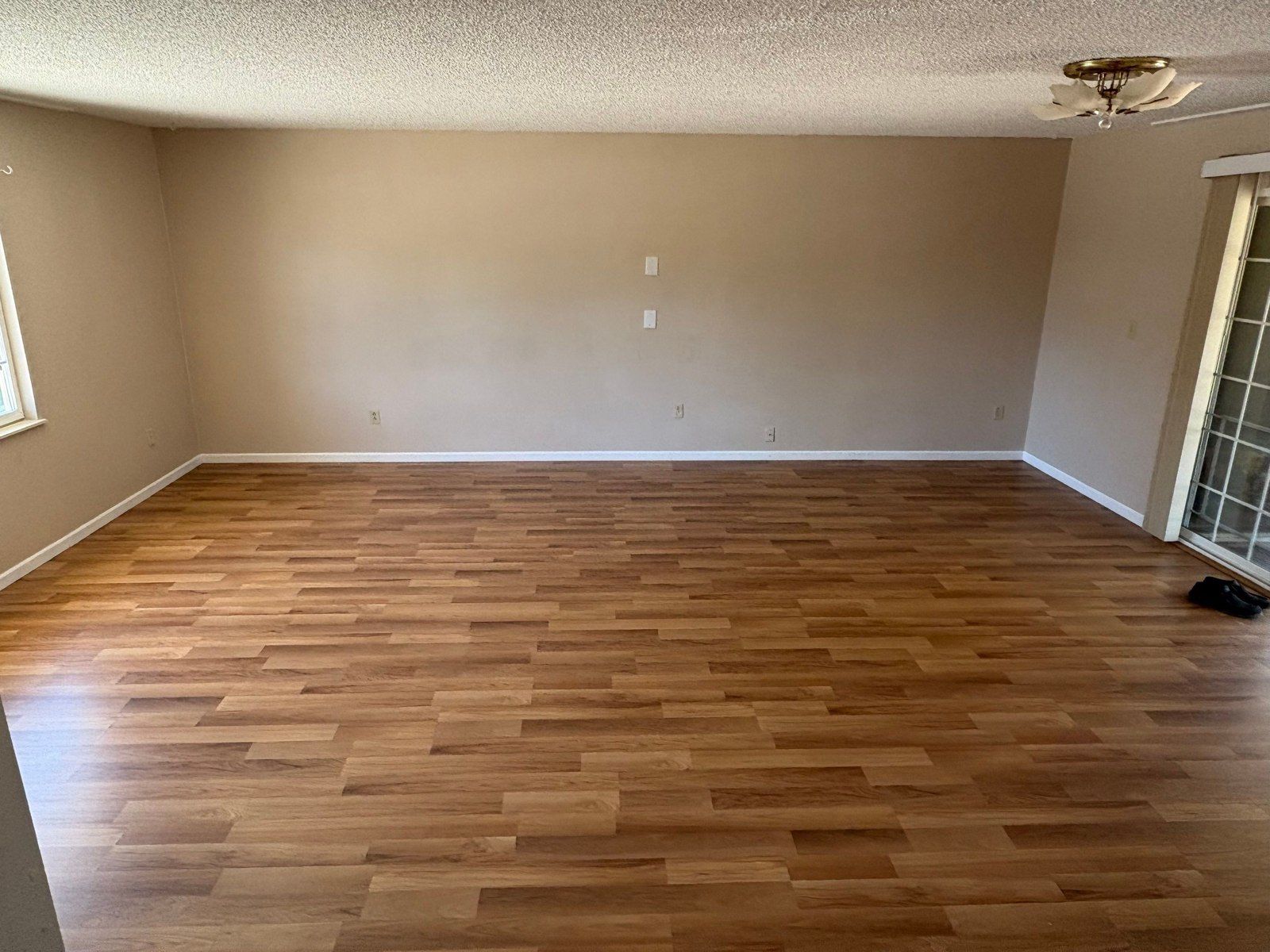
Providing the paint is one responsibility
Does customer-provided paint make the whole project a materials-only decision?
This estimate records customer-provided paint for walls and trim, with its ceiling entry pointing back to the wall specification. The proposal still describes preparation, application, protection and cleanup. That distinction matters: supplying paint and carrying out the work are separate parts of the plan. The record does not identify the exact supplied brand, product, quantities or final color schedule.
If you plan to supply paint, bring the product information to the estimate discussion. Ask which product and finish belongs on each selected surface, what quantity is needed, when it should be available and who handles any additional material requirement. These are clarification questions for your own home. This page does not invent a coverage calculation or assume that the supplies already on hand are suitable for every surface.
The same questions help someone considering DIY. Identify the surfaces first and then confirm the material plan for them. Do not treat the words customer-provided paint as evidence that preparation is unnecessary or that ceilings and trim share every wall specification. Keep the final product and surface assignments written down so the paint supply decision stays connected to the actual scope.
Real project context
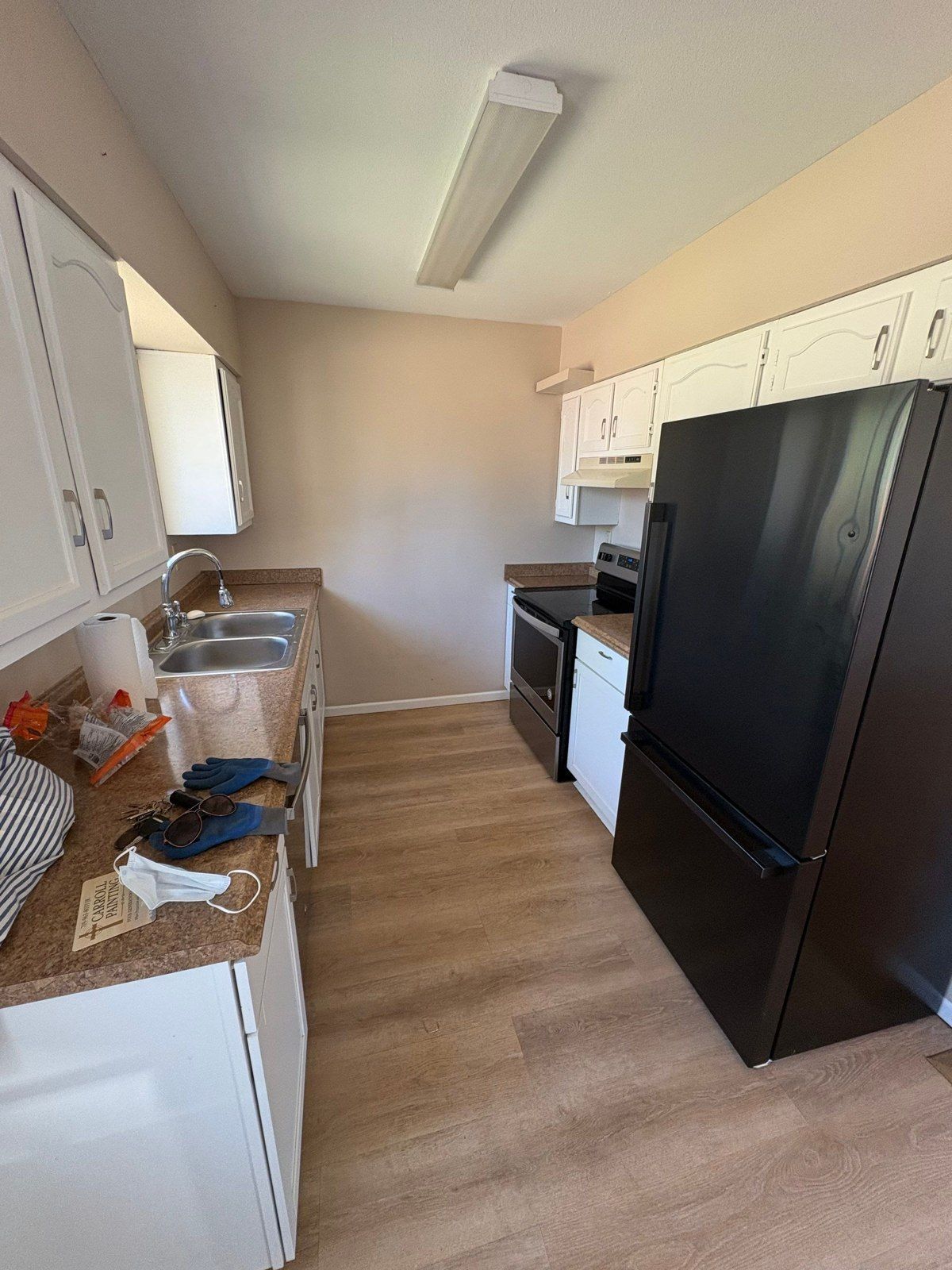
Look beyond the color change
Which preparation tasks belong in the decision?
The proposal describes protecting floors and furniture, filling cracks and nail holes as needed, sanding and cleaning glossy surfaces where necessary, scraping peeling areas and priming raw materials that will be painted. It also states that unforeseen repairs can require separately approved work. These provisions describe the proposed service, not a photo-based diagnosis of every wall in the home.
The project photos show existing wall surfaces, flooring, openings and trim. Use them to identify the areas you want reviewed in person. Ask what each preparation task covers and whether a particular defect needs a separate repair item. If the finish you want depends on improving a visible patch or changing an existing surface appearance, name that goal before choosing the extent of the repaint.
When considering doing the work yourself, use that same inventory to understand the tasks you would be assuming. This page is not a technical DIY procedure or an instruction to handle work that has not been assessed. It is a planning comparison grounded in the estimate. Confirm preparation and product instructions for your actual surfaces instead of using a room photo or a general paint label as the complete plan.
A house has connected work areas
How do stairs, openings and retained flooring affect the plan?
The stairway photograph attached to this estimate shows a connected interior route with walls beside steps and a wood railing. Other photos show continuous floor areas, doorways and a room with built-in features. These details are useful when discussing where painting stops, what remains unchanged and how the household or crew will reach the selected surfaces.
A stairway photo does not establish that the railing will be refinished. A room with shelving does not automatically create a cabinet-painting scope. Ask for those components to be named if you want them changed. At the same time, identify retained finishes that need protection and paths that need to remain accessible. The reviewed proposal does not provide a verified room-by-room work sequence.
Access is worth discussing before a whole-interior project begins. Explain which rooms you need to use, whether other trades will be present and which areas can be cleared. Ask how the proposed work will be organized around those conditions. Keep the answer tied to the selected rooms and surfaces; do not assume that every connected area can be treated as a separate, independently available space.
Real project context
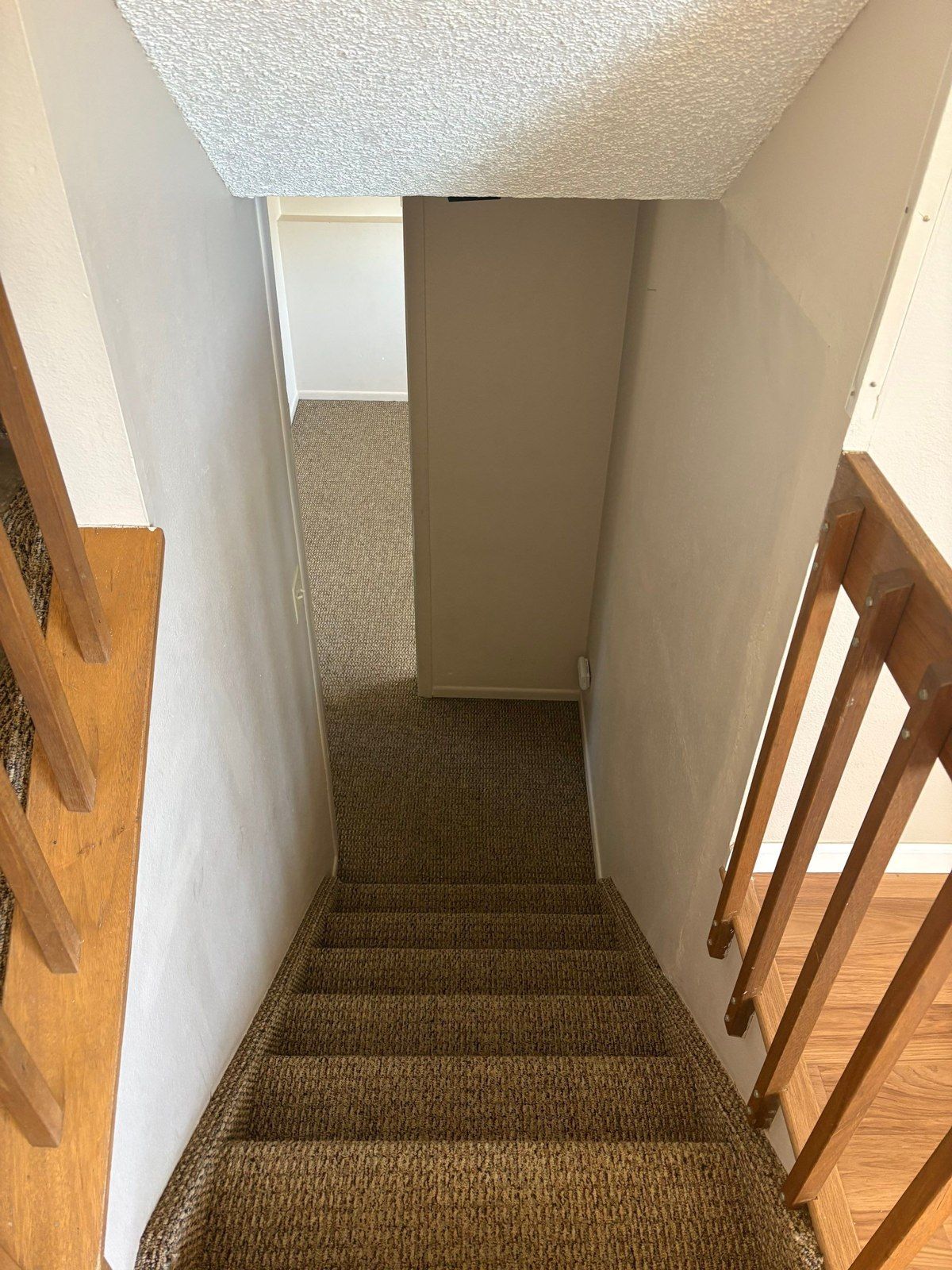
Protection, cleanup and moving are separate questions
Who handles the work around the painting itself?
The written proposal includes floor and furniture protection, daily cleanup of job-related debris, keeping masking while it remains needed and organizing materials at the end of the day. Its terms ask for a clean, clear work area and availability for a final walkthrough. Those tasks belong in a comparison of the complete service, alongside coating application.
Clarify who clears shelves, removes wall items, moves furniture and handles anything that needs special protection. Covering furniture is not necessarily the same responsibility as moving every piece of furniture. The record does not give an itemized moving plan for this home. A homeowner deciding between DIY and hiring should identify these responsibilities rather than leave them as assumptions.
Also ask how selected surfaces will be checked at the end and how agreed touch-ups will be addressed. A final walkthrough gives the room list a practical use beyond estimating: it provides a shared reference for reviewing the work that was selected. In this case, that provision remained in a declined proposal, so it is not presented as an event that actually occurred at the home.
Real project context
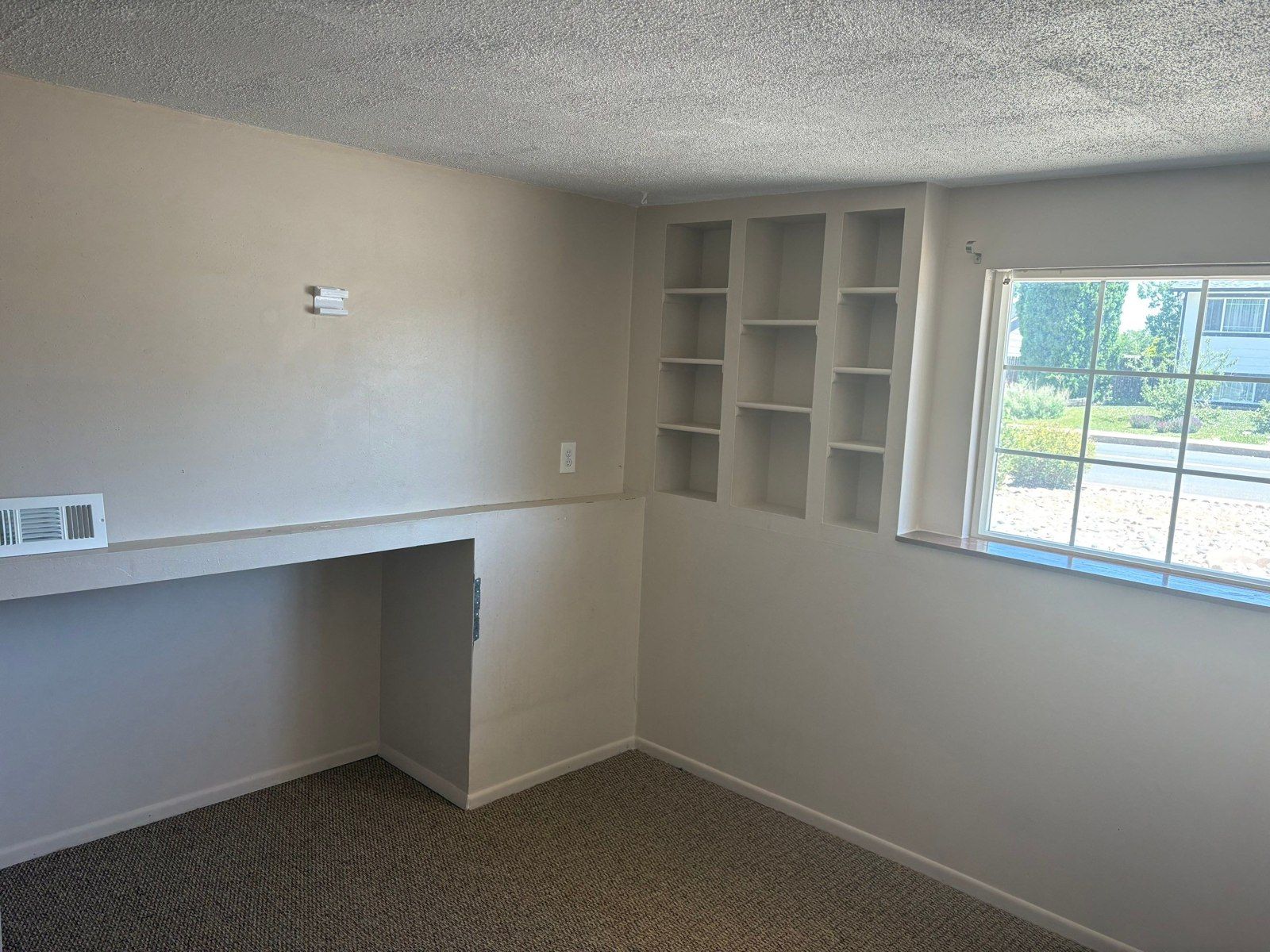
Make the decision match the project you want
What should you bring to a discussion about budget and scope?
Bring a prioritized room list, the finishes you want changed or preserved and information about any paint you intend to supply. Explain whether you are considering the whole finished interior or a smaller portion. Peter’s recorded question about the homeowner’s intended range shows one way to clarify the decision, but the exchange does not document a new lower-price offer or a revised scope.
If you want to explore hiring for part of the project and doing another part yourself, ask how the boundaries would be defined and whether the family can quote that selected work. Do not assume a partial-project option or price without a new agreement. Keep responsibility for preparation, supplies and protection clear wherever the work changes hands.
The best next step is a concrete conversation about the actual home. A written surface list can support either decision: taking on defined work yourself or asking a crew to handle a defined service. This Colorado Springs case remains an honest planning story. It records a declined proposal and a respectful response, with real project photos that help explain the scope without claiming an unverified result.
Bring this to your walkthrough
A clear plan starts with four checks.
One surface list
Use the same rooms, walls, ceilings, trim and exclusions for both options.
A confirmed supply plan
Identify customer-supplied products, surface assignments and material responsibilities.
Preparation and logistics
Review repairs, protection, clearing, access and cleanup before deciding.
A clear decision
Explain your priorities and ask for any smaller or shared scope to be defined in writing.
Questions homeowners ask
Before your own project.
Should I paint my interior myself or hire a painter?
Start by defining the work rather than choosing from the headline price alone. Compare the same rooms, selected surfaces, preparation, paint supply, protection, access and cleanup responsibilities. This case records a homeowner considering DIY because the proposal did not fit their budget. It does not establish which option is best for every homeowner or what happened after the proposal was declined.
Can I provide my own paint when hiring Carroll Painting?
This particular estimate records customer-provided paint, so supplying paint was part of its written plan. For your own project, discuss the actual product, finish, quantity and surface assignment with the family. Do not assume that the same arrangement or every product you already own applies automatically to a new proposal.
Does supplying paint remove preparation and cleanup from the quote?
Not in the proposal reviewed here. Preparation, floor and furniture protection, application, daily cleanup and a final walkthrough are described alongside the customer-provided paint entries. Read the written service and supply responsibilities together when comparing what you would handle yourself with what a crew would handle.
Was the garage included in this whole-interior estimate?
No. The named description says the whole finished interior of the home and excludes the garage. Keep exclusions visible when comparing options. If your own goal includes garage painting, ask for that work to be explicitly included rather than assume it follows from a whole-interior label.
Are kitchen cabinets and the stair railing included because they appear in photos?
A photo does not add a task to the proposal. The reviewed project has a general trim entry but does not establish a separate cabinet-refinishing or railing-refinishing item. Confirm those components individually if you want them changed, and record any finishes that should remain untouched.
Did Peter offer a new price or confirm a smaller phase?
The visible exchange shows Peter asking about the intended budget range and then acknowledging the homeowner’s response. It does not document a new offer or a revised smaller scope. This page therefore does not invent a negotiated price or a later agreement.
Do these photos show a completed Carroll Painting job or DIY result?
No. They are existing project-context photographs attached to the same estimate. The reviewed proposal is marked declined, and the conversation says the homeowner was considering painting themselves. That does not establish that either a DIY project or a Carroll project was later completed.
Make the plan fit your home.
Bring your questions, the surfaces you want to change and the details you want to preserve. The Carroll family can review them with you during a free in-person estimate.
Book Your Free EstimateExplore interior painting or more interior and cabinet project stories.